Fashion’s importance to youth during the cost of living crisis
At least once a week, fashion enthusiast Eva Yordanova knows she’ll visit Zara just a six-minute walk away from her workplace. Fully aware that she may not be able to close her closet after making another purchase, she’s also just as aware of the surge of confidence she feels after picking up an elegant coat to add to her growing collection. By the end of the month, she’s going to look at her bank account balance and wish she didn’t buy any more clothes. That’s because with the UK’s cost of living crisis, her budget has had to increase by approximately 20% to afford living in London, and for the 22-year-old and other youth alike, this is causing a difficult relationship with fashion.
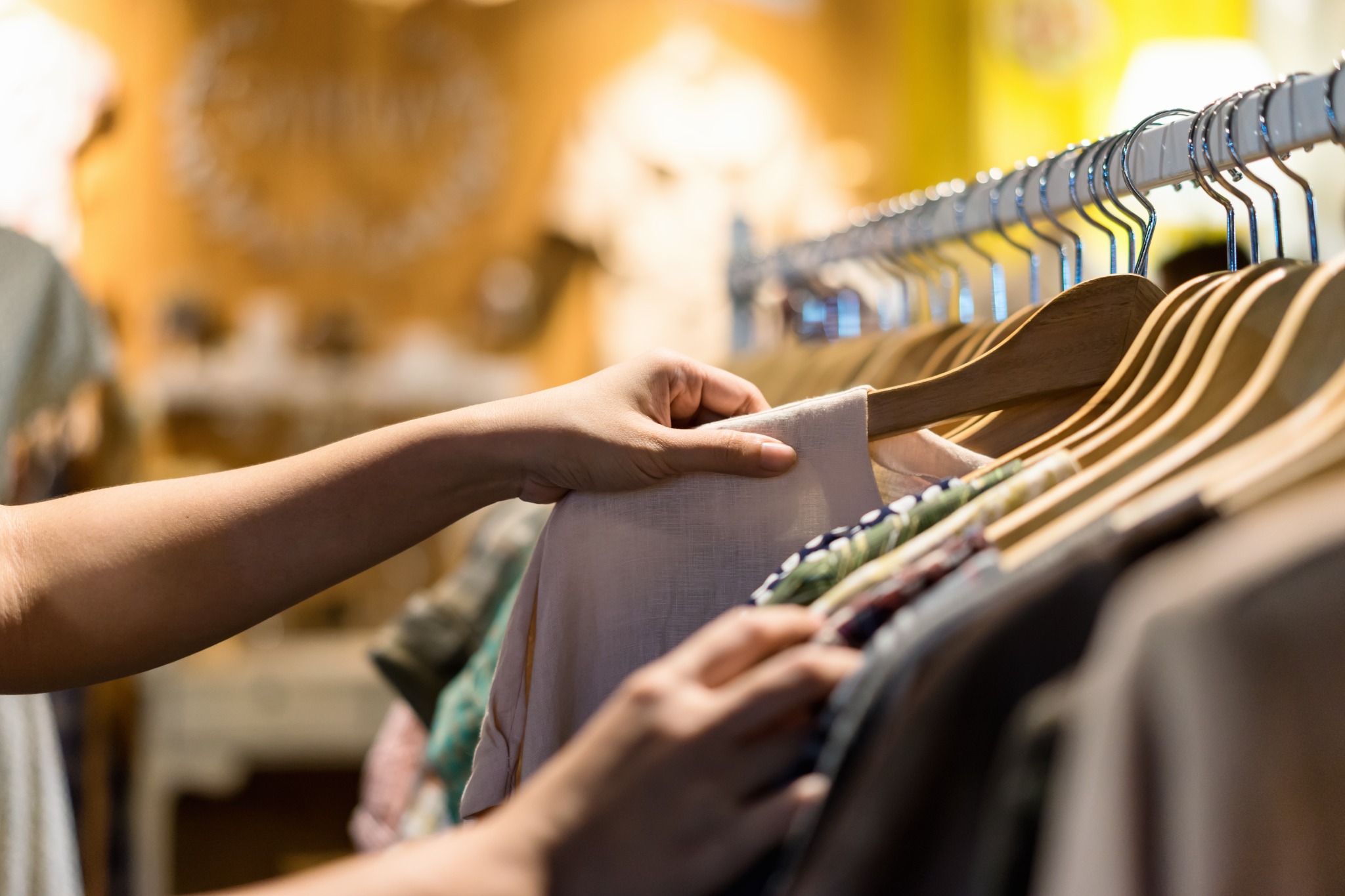
 The UK’s cost of living crisis is causing a difficult relationship with fashion, with some experiencing buyer’s remorse after shopping. Photography: WavebreakmediaMicro/Adobe Stock
The UK’s cost of living crisis has seen inflation hit a 41-year record between 2021 to 2022. Though it was announced that the inflation rate for February 2024 was at 3.4%, signifying some progress, the Bank of England doesn’t see the country hitting the low and stable projected 2% target until the fourth quarter of 2026. While the focus during periods of economic strife is usually on the prices of essentials like food and energy, fashion psychologist Dr Dion Terrelonge, 38, says that clothing should be viewed with importance as well.
 During times of economic crises, the price of necessities like food are heavily focused on. Photography: HASPhotos/Adobe Stock
“You still need adequate clothing to keep you warm, to keep you dry, to shelter you from the elements, and to allow you to walk with dignity,” Terrelonge says.
 Dr Dion Terrelonge is a fashion psychologist with over 4,000 followers on Instagram. Photography: A sustainable closet
The psychologist has been running the Style and Well Being Consultancy since 2012, specialising in helping people find their identity through fashion. She refers to her service on her website as “the true retail therapy experience”. She says that the relationship people have with their clothing is very personal, and “when people feel like their identity has not been adequately presented externally, there’s a conflict within the self”, emphasising the importance of clothing as a form of self-expression even during a poor economy.
A report released earlier this year by Tag Agency shared a similar sentiment in regards to fashion and beauty as a whole. The Spenny report, which explored different areas of life that youth across the UK are struggling to cope with during the cost of living crisis, found that young people are opting for more budget-friendly options. One of the reasons for this is because beauty maintenance helps in maintaining good mental health. Some of these alternatives include peoples heightened desire to learn how to do beauty treatments themselves as well as thrifting, allowing for a serotonin boost and an improvement in wellness, without feeling as much financial burden. This burden can manifest into the phenomenon of buyer’s remorse, which refers to the regret someone feels after making a purchase.
 The Spenny report by Tag Agency found that people are showing more desire to learn how to practice beauty themselves during the cost of living crisis. Photography: familylifestyle/Adobe Stock
Ben Wilson, 22, who’s passionate about using clothing as a way to express himself, believes there are still problems with budget-friendlier options. Fast fashion stores like Zara and online retailer ASOS are some of Wilson’s go-to stores to shop for clothing basics at lower prices. Despite saving money, buyer’s remorse still follows. “It’s sort of impossible to ignore how much these things are getting mass produced, and then you see the quality and think ‘I could have bought something better’,” he says.
Growing up in a countryside near Brighton where he says everyone dressed conservatively, fashion became an opportunity for Wilson to become a more adventurous person and find confidence in himself. With the cost of living now, the 22-year-old says that he feels “limited” from becoming the person he wants to be, especially as a business developer assistant for luxury fragrance house Creed, where he is expected to dress fashionably at all times. He refers to this experience of working for money and feeling the need to spend more on his clothing to do his job adequately as “a revolving door of fashion toxicity”.
The Spenny report similarly touched upon the standards set in society making it harder for the UK’s youth to navigate the rise in the cost of living. The report found that women of colour in particular feel immense pressure to adhere to society’s tough beauty standards, which means that fashion and beauty, which one could argue is seen as less important during economic crises, are possibly increasing in importance for Gen Z.
For Yordanova, her spending habits for clothes during the economic crisis don’t stem from pressure alone, but how clothes can help her feel comfortable in her own body. “I think that kind of boost of positive energy and self confidence is something that stimulates me to buy stuff I’d like, again and again,” she says. Despite trying to be a more conscious shopper by budgeting, she still feels financial regret once she’s made her purchases. “It’s kind of like a vicious circle,” she adds.
This financial loop can be referred to as doom spending, where people, more specifically Gen Z, are spending more due to the world’s possible bleak future. “Younger people are feeling powerless and without hope. They’re more willing to spend on experiences or clothing because buying a property is so out of reach now,” says Terrelonge.
 Doom spending has become a trend, especially amongst younger people, due to a lack of hope for the future economy. Photography: ChayTee/Adobe Stock
In times of economic crises like the UK’s cost of living, it makes sense that basic necessities like food and shelter are treated as a priority. “It’s just not even a question,” Wilson says, prioritising food over fashion. But art and expression always seek to live on despite the sign of the times, with people still trying to find an outlet to express their personal identity. Whether that be through thrifting, better budgeting, or going through a repetitive cycle of trying your best to shop more consciously, people’s determination to find ways to make themselves feel good through clothing could be a testament to how important it is in our society.
Post a comment